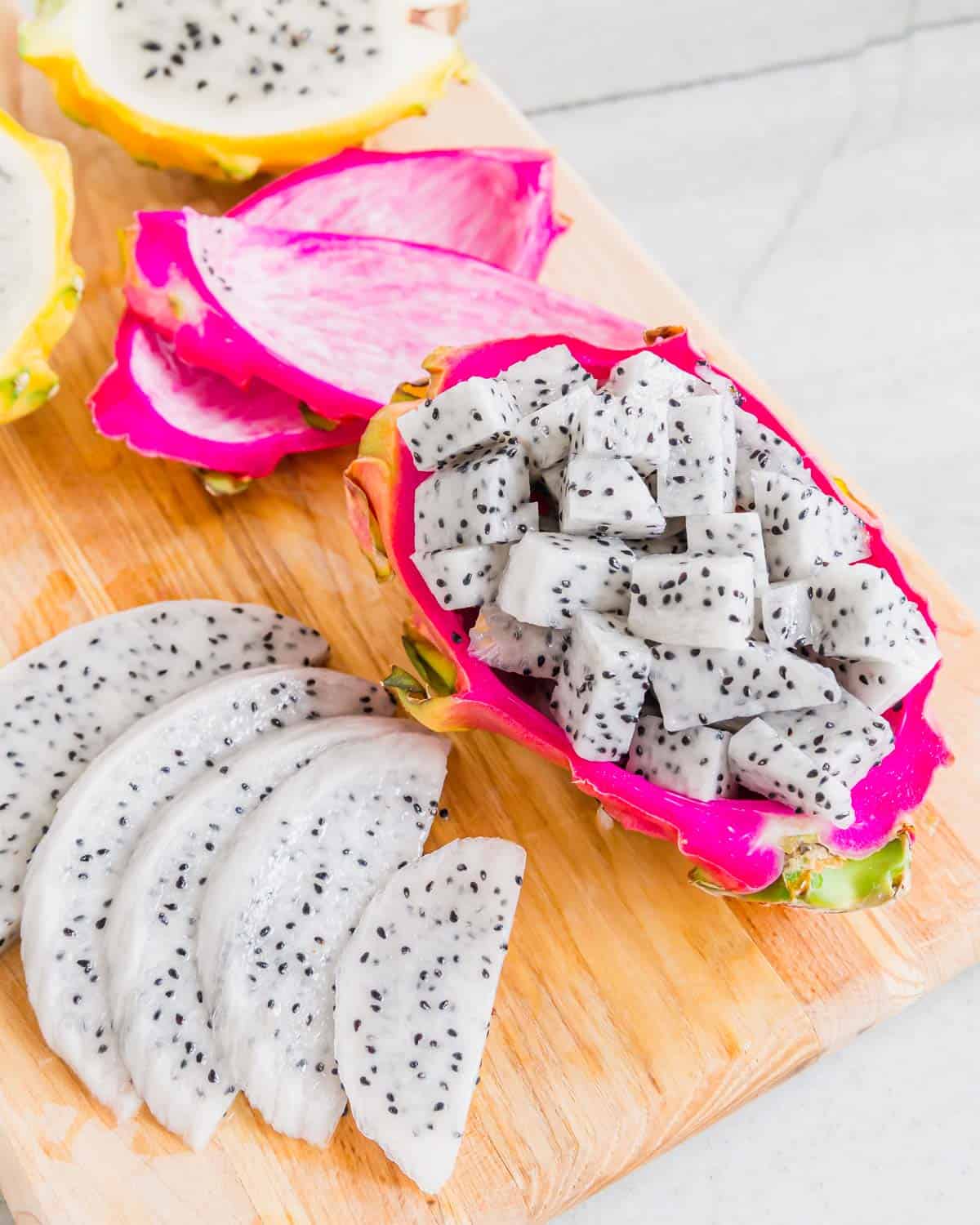
From its otherworldly appearance to its subtly sweet taste, dragon fruit, also known as pitaya, has captivated palates and become a star in both tropical agriculture and modern kitchens. This stunning fruit, a vibrant member of the cactus family (specifically the genus Hylocereus), offers a unique blend of visual appeal and nutritional benefits. If you've ever wondered how to navigate the world of this exotic produce, you've come to the right place. This comprehensive guide to dragon fruit will take you from selecting the perfect specimen to transforming it into delicious culinary creations, ensuring you make the most of this extraordinary cactus fruit.
Native to warm-weather regions of Mexico, Central America, and northern South America, dragon fruit has journeyed across continents, finding particular popularity in Southeast Asian and Latin American countries, and is now cultivated globally. Its evocative name comes from its dramatic, scale-like skin, which indeed brings to mind a mythical dragon.
The Alluring World of Dragon Fruit: Varieties and Flavors
Before diving into how to enjoy pitaya, it’s worth appreciating the diverse forms it takes. While the term "dragon fruit" often conjures images of one specific type, this tropical gem boasts a range of varieties, each with subtle distinctions.
A Feast for the Eyes: Understanding Dragon Fruit Varieties
Dragon fruit varieties are often distinguished by their exterior and interior colors. The most common type features striking magenta-pink skin adorned with bright lime-green, supple spines that curve downwards like chartreuse bird wings. Inside, you'll typically find creamy white pulp speckled with tiny, edible black seeds, resembling an inverted polka-dot pattern. However, other varieties offer different hues:
- Red-Fleshed Pitaya: Some types boast purplish-pink flesh with the same characteristic black seeds, offering an even more vibrant display.
- Yellow Dragon Fruit: A less common but highly prized variety has bright yellow skin with a pure white interior. This particular type is often considered the sweetest of all dragon fruit, delivering an intensified tropical experience.
Beyond these primary color distinctions, there are dozens of cultivars and hybrids, each with slight differences in size, shape, and sweetness. Understanding these variations can help you choose the best dragon fruit for your specific culinary plans.
Taste the Tropics: Decoding Dragon Fruit's Unique Flavor Profile
Despite their different colors, the various types of dragon fruit share a generally similar flavor profile. Often described as a delicate cross between a kiwi and a pear, some might even detect notes of pineapple. The sweetness is typically mild, making it a refreshing and versatile fruit that won't overpower other ingredients. Its texture is spongy soft, akin to a kiwi but with a slightly grainier consistency, enhanced by the satisfying crunch of its myriad tiny seeds. The yellow variety, as mentioned, stands out for its elevated sweetness, making it a favorite for those who prefer a more pronounced sugary note in their fruit.
Your Ultimate Guide to Dragon Fruit: Buying, Storing, and Prepping
To truly appreciate dragon fruit, knowing how to select, store, and prepare it is essential. This section offers practical advice to ensure you get the freshest, most flavorful experience.
Selecting the Perfect Pitaya: What to Look For
When you're ready to buy dragon fruit, whether from produce markets, natural food stores, or even online sources, keep these tips in mind:
- Color and Skin: Look for fruit with vibrant, hot-pink or bright yellow skin, depending on the variety. The skin should be uniform in color, avoiding any significant discoloration.
- Firmness: Gently press on the fruit with your thumb. Ripe dragon fruit will give slightly to gentle pressure, similar to a ripe avocado or kiwi. Avoid fruit that is overly soft or mushy, as this indicates spoilage.
- Blemishes: Check for any soft spots, mold, or shriveled areas, which are signs of deterioration. A few minor blemishes are acceptable, but overall, the fruit should appear fresh and healthy.
Dragon fruit is available seasonally in the US from August to November, but thanks to global imports from countries like Vietnam, Ecuador, and Israel, it can often be found year-round.
Optimal Storage for Freshness
Once you've selected your dragon fruit, proper storage will maximize its lifespan and flavor:
- Ripening at Room Temperature: If your dragon fruit feels firm to the touch, it likely needs a day or two to ripen further. Leave it on your countertop at room temperature for 1 to 2 days. The fruit will sweeten as it ripens.
- Refrigeration: Once ripe, transfer the dragon fruit to the crisper drawer of your refrigerator. It will stay fresh for up to 3 to 4 days before use. Do not wash the fruit until you are ready to use it, as excess moisture can accelerate spoilage.
Effortless Prepping: Getting Your Dragon Fruit Kitchen-Ready
Preparing dragon fruit is surprisingly simple, despite its exotic appearance. The vibrant skin is not edible but is easily removed. For a more in-depth look at this process, check out our article Dragon Fruit Demystified: Your Guide to Buying, Prepping, and Enjoying Pitaya.
Here are two common methods:
- Slice and Peel: Place the dragon fruit on a cutting board. Using a sharp chef's knife, cut the fruit in half lengthwise. You can then cut each half into wedges. With a small paring knife, carefully peel away the skin from the flesh, much like you would an orange.
- Scoop and Serve: Alternatively, after cutting the fruit in half lengthwise, simply use a spoon to scoop out the vibrant flesh, leaving the inedible skin behind. This method is particularly good for creating attractive "fruit salad boats" or when you want the flesh in larger pieces.
Whichever method you choose, always discard the skin after preparation.
From Snack to Culinary Masterpiece: Creative Uses for Dragon Fruit
The mild flavor and striking appearance of dragon fruit make it incredibly versatile in the kitchen. Its delicate sweetness pairs well with a variety of ingredients, allowing it to shine in both simple and elaborate dishes.
Refreshing Smoothies and Bowls
Dragon fruit is a natural fit for smoothies and smoothie bowls, adding a beautiful color and creamy texture without overwhelming other flavors. Blend it with bananas, berries, coconut water, or a splash of lime for a tropical treat. For smoothie bowls, top with granola, chia seeds, and fresh fruit for an extra boost of nutrients and crunch.
Exotic Salads and Desserts
Its visual appeal makes dragon fruit an excellent addition to fruit salads. Consider dicing the scooped-out flesh and returning it to the hollowed-out skin for an "exotic fruit salad boat." For desserts, dragon fruit can be incorporated into sorbets, popsicles, fruit tarts, or simply served cubed alongside a dollop of yogurt or a sprinkle of toasted coconut.
Beyond the Obvious: Savory Pairings and Garnishes
Don't limit dragon fruit to sweet applications. Its subtle flavor can provide a refreshing counterpoint in savory dishes. Try dicing it into a vibrant salsa to serve with grilled fish or chicken, or add cubes to a summer salad with avocado and shrimp. It also makes an exquisite garnish for cocktails, mocktails, or any dish that could use a touch of tropical elegance.
Beyond Beauty: The Nutritional Bounty of Dragon Fruit
Dragon fruit isn't just a pretty face; it's also packed with a host of beneficial nutrients. It’s a good source of fiber, which is crucial for digestive health, and it's remarkably low in calories, making it a guilt-free indulgence.
This remarkable fruit provides significant amounts of essential vitamins and minerals, including:
- Vitamins A and C: Potent antioxidants that support immune function, skin health, and vision.
- Calcium: Essential for strong bones and teeth.
- Magnesium: Plays a vital role in muscle and nerve function, blood sugar control, and blood pressure regulation.
Beyond these, dragon fruit contains an array of other beneficial compounds, including various antioxidants that help combat oxidative stress in the body. For a deeper dive into the health advantages of this incredible fruit, explore our article Pitaya's Sweet Secrets: Unveiling Its Flavor, Varieties & Health Benefits.
Whether you're drawn to its mesmerizing appearance, its delicate flavor, or its impressive nutritional profile, dragon fruit offers a delightful journey from the cactus plant to your culinary adventures. By following this comprehensive guide to dragon fruit, you're well-equipped to select, prepare, and enjoy this exotic fruit, adding a touch of tropical magic to your everyday meals and special occasions alike. Don't hesitate to experiment with its vibrant colors and refreshing taste – your palate will thank you!
