Pitaya's Sweet Secrets: Unveiling Its Flavor, Varieties & Health Benefits
Dragon fruit, often known by its captivating name pitaya, is far more than just a strikingly beautiful tropical fruit. This enchanting gem, with its vibrant hues and unique texture, offers a delightful culinary experience coupled with an impressive nutritional profile. If you've ever wondered about the best way to enjoy this exotic produce or sought a comprehensive guide to dragon fruit, you've come to the right place. From its fascinating origins to its various delicious types and potent health advantages, let's peel back the layers of this extraordinary fruit.
A true marvel of nature, dragon fruit is a type of cactus belonging to the genus Hylocereus, encompassing nearly twenty distinct species. Native to the warm climates of Mexico, Guatemala, Nicaragua, Costa Rica, El Salvador, and northern South America, pitaya has now found a global home, thriving in regions like Southeast Asia and Latin America where it has become immensely popular. Its evocative name is derived from its flamboyant, scale-like skin, which indeed brings to mind the mythical creature.
Unveiling Pitaya's Unique Identity: What is Dragon Fruit?
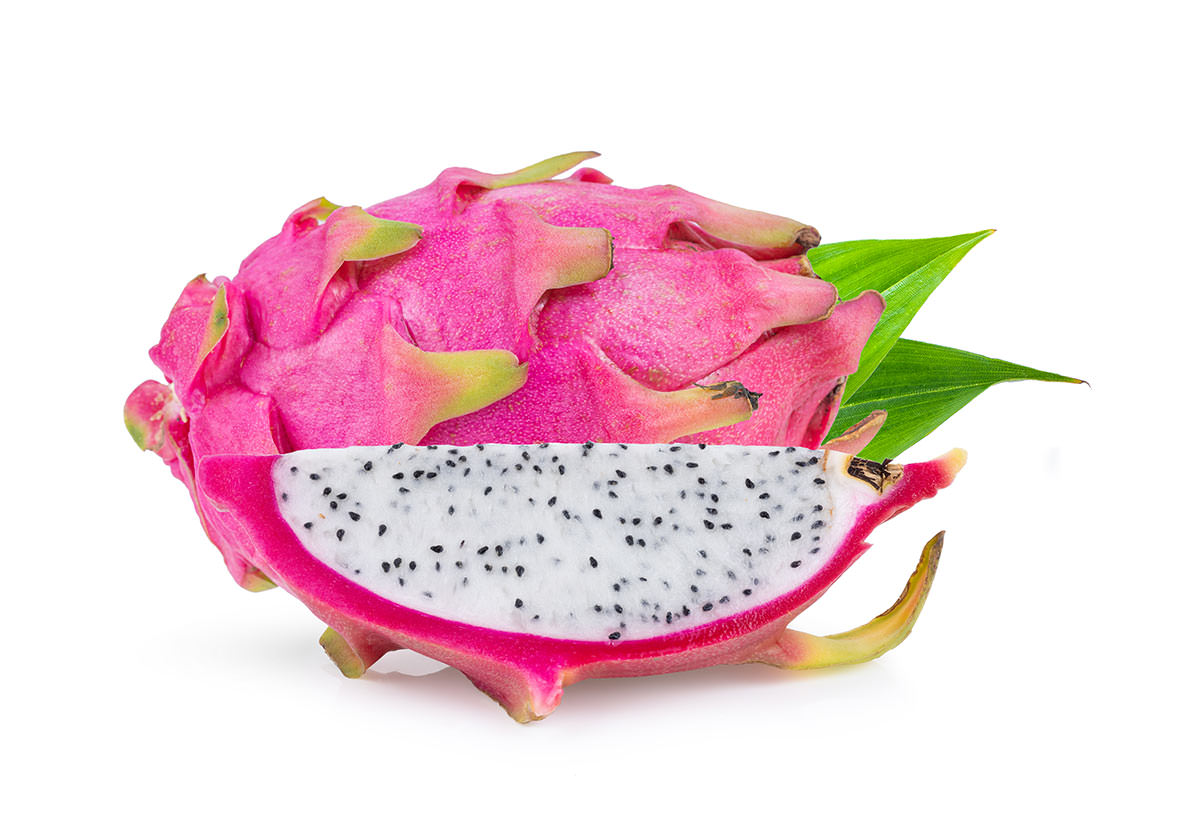
The first encounter with dragon fruit is often unforgettable due to its surreal appearance. Imagine a fruit adorned with eye-popping magenta or bright yellow skin, frequently punctuated by contrasting lime-green, supple spines that gracefully curve downwards, akin to chartreuse bird wings. This vibrant exterior is a prelude to the equally intriguing interior, which typically features a creamy, often white or strikingly pinkish-purple pulp speckled with tiny, edible black seeds.
While its appearance is undoubtedly a major draw, the true allure of dragon fruit lies in its subtly sweet and refreshing taste. Often described as a delicate fusion, its flavor profile lands somewhere between a pear and a kiwi, or even a marriage of kiwi and pineapple. The pulp offers a spongy-soft texture, reminiscent of a kiwi but with a slightly more grainy mouthfeel, adding to its unique charm. This mild sweetness makes it incredibly versatile, perfect for enjoying on its own, blending into smoothies, or incorporating into various desserts.
A Palette of Flavors: Exploring Dragon Fruit Varieties
While the general taste profile of dragon fruit is consistent, there are subtle differences to appreciate across its main varieties. Understanding these distinctions can help you choose the perfect pitaya for your palate and culinary adventures:
- Red Pitaya (Hylocereus undatus): This is perhaps the most commonly recognized variety. It features a bright pink or magenta skin with vibrant green scales. Inside, you'll find creamy white flesh dotted with small, black seeds. Its flavor is mildly sweet and refreshing, often compared to a delicate blend of pear and watermelon.
- Red-Fleshed Pitaya (Hylocereus costaricensis or Hylocereus polyrhizus): Bearing a similar hot-pink skin to the white-fleshed variety, this type truly stands out with its intensely colored, purplish-red flesh. The vibrant pigmentation indicates a higher concentration of beneficial antioxidants. Its flavor is often described as slightly sweeter and more intensely fruity than the white-fleshed type, with notes of berries.
- Yellow Pitaya (Hylocereus megalanthus): Distinctively different in appearance, this variety boasts a bright yellow skin, typically with fewer scales. The real treat, however, is inside: its white flesh is universally considered the sweetest of all dragon fruit varieties. Its tropical sweetness makes it a fantastic choice for those who prefer a more pronounced sugary note.
Beyond these primary types, there are numerous cultivars and hybrids, each offering slight variations in size, sweetness, and other characteristics. Exploring these different varieties is part of the joy of discovering dragon fruit, allowing you to fine-tune your preference for its distinct flavor and texture.
Nutritional Powerhouse: The Health Benefits of Dragon Fruit
Beyond its captivating appearance and delicate taste, dragon fruit is a nutritional powerhouse, packed with essential vitamins, minerals, and other beneficial compounds. Including pitaya in your diet can offer a range of health advantages:
- Rich in Vitamins: Dragon fruit is a good source of Vitamin C, a potent antioxidant crucial for immune system support, skin health, and collagen production. It also provides Vitamin A, important for vision and overall cellular health.
- Essential Minerals: You'll find significant amounts of minerals like calcium, vital for strong bones and teeth, and magnesium, which plays a role in over 300 bodily functions, including muscle and nerve function, blood sugar control, and blood pressure regulation.
- High in Fiber: As a good source of dietary fiber, dragon fruit aids in digestion, helps maintain bowel regularity, and can contribute to a feeling of fullness, potentially assisting in weight management. The fiber content also acts as a prebiotic, feeding beneficial gut bacteria and supporting a healthy microbiome.
- Antioxidant Properties: Particularly the red-fleshed varieties owe their vibrant color to betacyanins, powerful antioxidants that help combat free radicals in the body, reducing oxidative stress and potentially lowering the risk of chronic diseases.
- Low in Calories and Hydrating: Dragon fruit is remarkably low in calories, making it an excellent choice for a healthy snack. Its high water content also contributes to hydration, especially beneficial in warm climates.
Incorporating dragon fruit into your diet is a delicious way to boost your intake of these vital nutrients and contribute to your overall well-being.
Your Practical Guide to Dragon Fruit: From Selection to Serving
Embarking on your dragon fruit journey is easy once you know what to look for and how to prepare it. Here’s a practical guide to dragon fruit, covering everything from buying to enjoying this exotic treat:
Buying and Storing Pitaya
- Selection: Look for fruit with uniformly hot-pink or bright yellow skin, free of any visible soft spots, blemishes, or mold.
- Ripeness Test: A ripe dragon fruit will give slightly when gentle pressure is applied, much like a ripe avocado.
- Ripening at Home: If the fruit feels firm, simply leave it at room temperature for one to two days to allow it to sweeten further. Dragon fruit's sweetness intensifies as it ripens.
- Storage: Once ripe, refrigerate the fruit in your crisper drawer. It will keep well for up to three to four days.
- Availability: While seasonally available in the US from August to November, improved global shipping means you can find imported dragon fruit year-round from countries like Vietnam, Ecuador, and Israel. Check produce markets, natural food stores, and specialty Asian markets.
Prepping Dragon Fruit
The skin of dragon fruit is not edible, but it’s remarkably easy to remove, revealing the succulent flesh within. Here are a couple of straightforward methods:
- Halve and Scoop: The simplest way is to cut the fruit in half lengthwise. Then, use a spoon to scoop out the flesh, much like you would with a kiwi or avocado.
- Cut and Peel: Alternatively, you can cut the fruit in half or into wedges. Then, use a small paring knife to carefully peel away the vibrant skin.
Whichever method you choose, remember to discard the skin. For a more detailed walkthrough on selection, preparation, and creative ways to enjoy this exotic fruit, refer to our Dragon Fruit Demystified: Your Guide to Buying, Prepping, and Enjoying Pitaya.
Serving Suggestions and Culinary Versatility
Dragon fruit's mild flavor and unique texture make it incredibly versatile in the kitchen. Here are some popular ways to enjoy it:
- On Its Own: Simply chilled and scooped out, it’s a refreshing and healthy snack.
- Smoothies and Juices: Its soft flesh blends beautifully into vibrant, nutrient-packed smoothies or juices.
- Fruit Salads: Dice the flesh and add it to exotic fruit salads. You can even use the hollowed-out skin as a natural serving bowl for a stunning presentation (e.g., "exotic fruit salad boats").
- Desserts: Incorporate it into sorbets, ice creams, yogurt parfaits, or light jellies.
- Garnish: Its striking colors make it an ideal garnish for cocktails, mocktails, or dessert plates.
To explore a wider array of culinary applications and discover exciting recipes, don't miss our comprehensive From Cactus to Kitchen: The Complete Guide to Dragon Fruit and Its Uses.
While this article focuses on the culinary enjoyment of dragon fruit, it's worth noting that this resilient cactus can also be grown at home in suitable warm-weather conditions. Understanding the different cultivars and their growing habits is key for those interested in cultivating their own supply.
Conclusion
From its mythical name and spectacular appearance to its subtle sweetness and impressive array of health benefits, dragon fruit, or pitaya, is truly a fruit of wonder. Whether you're a seasoned enthusiast or new to its charms, this comprehensive guide to dragon fruit has aimed to illuminate its unique identity, diverse varieties, and the myriad ways it can enrich your diet and culinary experiences. So next time you spot this captivating fruit, don't hesitate to bring home a taste of the tropics and unlock its sweet secrets for yourself.
